
Overview
- Newcastle has entered 2026 in a position of real strength, supported by rising sales volumes, tight rental conditions, and sustained population growth.
- Affordability remains a major drawcard, with Newcastle offering significantly better value than Sydney while still delivering strong lifestyle and employment fundamentals.
- Infrastructure investment is reshaping the city, including major health, transport, and precinct‑renewal projects that will support long‑term demand and economic resilience.
- Supply remains critically tight, with low vacancy and limited new housing approvals placing upward pressure on both prices and rents.
- Buyer demand is broadening, driven by local upgraders, first‑home buyers, and Sydney migrants seeking value without sacrificing amenity.
- The outlook for 2026 is positive, with credible forecasts pointing to continued price growth supported by structural, not speculative, market drivers.
- Professional guidance matters, and Burgess Thomson’s long‑standing expertise positions buyers and investors to navigate the market with clarity and confidence.
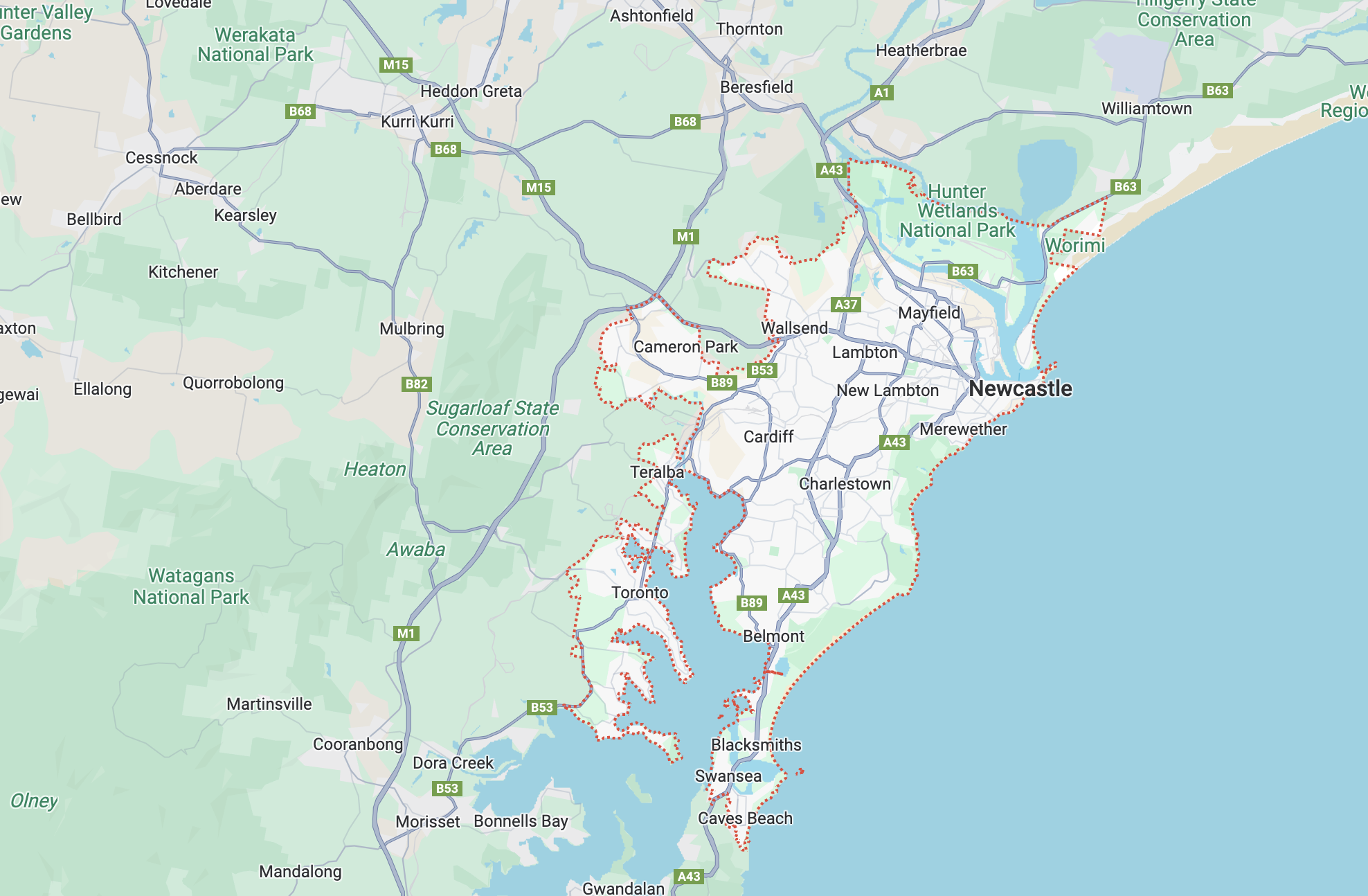
As we move through the first half of 2026, the Newcastle real estate market continues to demonstrate resilience, even as the broader economic environment grows more complex. The momentum built through 2025, supported by population growth, tight housing supply, and RBA rate cuts spaced across the year, has carried into the new year, though the landscape has shifted.
In February and March 2026, the RBA raised the cash rate on consecutive occasions, responding to a material pick-up in inflation in the second half of 2025. For property buyers and investors, this has translated into a more measured market than the one that characterised much of 2025, but Newcastle’s structural fundamentals remain compelling.
This market insight provides a detailed overview of current trends, future projections, and the key factors shaping the housing market in Newcastle NSW.
Market Performance Overview
The Newcastle property market has delivered strong results across 2025 and into 2026. House values reached a median of around $963,000 by mid-2025, with prestige suburbs such as New Lambton and Merewether recording significantly higher medians, in some cases exceeding $1.2 million. After a period of modest growth through 2023–2024, Newcastle’s momentum accelerated, with house prices rising at an average annual rate of 9.2 per cent over the five years to June 2025 (Property Buyer).
Buyer activity continues to signal firm underlying demand. Quarterly sales volumes in the Newcastle LGA increased from 687 to 746 to 880 across three consecutive quarters entering 2026: a clear indication that demand is strengthening rather than softening.
On the supply side, conditions remain tight. Listings are being held closely, vacancy rates are low, and new dwelling approvals have not kept pace with underlying population and household-formation pressures. This persistent imbalance between supply and demand has created a competitive environment in which well-located properties attract strong interest and often sell quickly, sometimes with minimal public marketing, making off-market opportunities an increasingly relevant pathway for buyers working with experienced legal and conveyancing advisers.
Key Statistics
Key statistics for the Newcastle housing market as at mid-2025:
- Average house price Newcastle NSW: approximately $963,000 (Cotality, mid-2025)
- Median unit price: $681,155 (CoreLogic)
- Weekly median rent - Houses: $730 | Units: $620
- House rental yield: 3.1% | Unit rental yield: up to 4.4%
- Vacancy rate: approximately 1% (Cotality, mid-2025)
- 5-year average annual house price growth: 9.2% p.a. (to June 2025, PropTrack)
Suburb Spotlight
Several Newcastle suburbs emerged as standout performers heading into 2026. Newcastle property growth combines strong capital growth, rental demand, and lifestyle appeal.
Mayfield (2304) continues its upward trajectory, with a median house price of $995,000 and 12-month growth of 9.64%. Ongoing gentrification, new café and retail activity, and steady infrastructure improvements are drawing first-home buyers and investors to this tightly held pocket.
Hamilton (2303) remains one of the city’s most competitive markets. House and unit medians of $1.05 million and $732,500 respectively, alongside 14.13% annual house price growth and unit yields around 4.2%, reflect sustained demand. Its cosmopolitan character and excellent transport links keep buyer interest high.
Adamstown (2289) offers long-term stability, with a median house price of $1,045,000 and 4.24% annual growth. Extremely low vacancy and strong renter demand reinforce its reputation as a reliable, lifestyle-rich investment suburb.
These suburbs offer a compelling mix of capital growth, rental yield, and lifestyle appeal for owner-occupiers and investors seeking quality in the Newcastle market.
Market Drivers
Newcastle’s housing market in 2026 is being shaped by a combination of structural, demographic, and economic forces that continue to build underlying pressure beneath the surface.
Population Growth & Migration
Newcastle’s population growth has accelerated, recording 1.6% annual growth in FY22–23, the strongest rate in more than 20 years. This uplift is driven by improved internal migration and a surge in overseas arrivals, both of which are expected to continue underpinning housing demand across the region.
Economic Strength & Employment
The local economy is outperforming many Australian cities. Newcastle’s unemployment rate has fallen to 3%, its lowest level in over a decade, while job vacancies remain more than double what they were ten years ago. This deep employment base (spanning health, education, defence, government, port logistics, and emerging renewable energy) provides a stable foundation for long-term housing demand.
Infrastructure & Precinct Investment
Major precincts continue to anchor Newcastle’s economic resilience. The John Hunter Hospital and University of Newcastle form a significant medical-education hub, while the Port of Newcastle is diversifying into renewables and general cargo. Broader initiatives under the Newcastle City Deal, including the Broadmeadow precinct revitalisation and improved transport connectivity, are enhancing liveability and supporting future price growth.
Tight Supply Conditions
Newcastle’s supply pipeline remains critically constrained. The city holds just 2 months of stock, and new dwelling approvals sit at 0.53% of total housing stock; far below the 2-3% level considered balanced. With listings contracting and days on market falling, upward price pressure is structural rather than cyclical.
Market Cycle Positioning
Newcastle is emerging from a mid-cycle pause. Prices have been flat, but the combination of low inventory, rising population demand, and improving buyer activity suggests the next growth phase is forming. InvestorKit notes that Newcastle has delivered 100% price growth over the past decade, and the current trough historically precedes the strongest periods of market acceleration.
Rental Market Trends
The Newcastle rental market remains exceptionally tight, supporting strong and consistent returns for investors. As at mid-2025, the city’s vacancy rate sits at approximately 1%, reflecting one of the most constrained rental environments in regional NSW. Weekly median rents have continued to climb, reaching $730 for houses and $620 for units, according to Cotality’s July 2025 data.
Rental yields remain competitive by national standards. Houses are achieving gross yields of around 3.1%, while units deliver up to 4.4%, making them particularly attractive to yield-focused investors seeking strong cashflow relative to entry price.
These conditions highlight Newcastle’s appeal when benchmarked against Sydney, where significantly higher purchase prices and more compressed yields limit investor returns. Newcastle’s combination of affordability, tight vacancy, and solid rental performance positions it as a compelling market for investors prioritising income strength and long-term stability.
Future Outlook
Looking ahead, several trends are likely to shape the Newcastle property market through 2026 and beyond:
- Continued Price Growth: Independent forecasters are projecting Newcastle house price growth of between 3 and 7 per cent in 2026, supported by rate cuts, rising incomes, and ongoing buyer migration from Sydney.
- First-Home Buyer Momentum: The expanded deposit scheme is expected to fuel demand particularly in suburbs such as Mayfield, Georgetown, and Hamilton, where entry-level and mid-range properties meet affordability thresholds.
- Urban Renewal Dividend: The Hunter Park/Broadmeadow precinct transformation, combined with Newcastle Council’s rezoning ambitions around key transport nodes, will generate new medium and high-density investment opportunities over the coming years.
- Sydney Spillover Effect: With Sydney’s median house price forecast to approach $1.9 million by end of 2026, Newcastle’s compelling value proposition will continue to attract buyers and investors who are priced out of the capital – a trend that shows no sign of abating.
Newcastle Real Estate Summary
Newcastle entered 2026 with a market underpinned by genuine depth: rising sales activity, exceptionally tight rental conditions, sustained population growth, and a once-in-a-generation infrastructure pipeline, all of which are reinforcing the city’s long-term trajectory. Combined with a meaningful affordability advantage over Sydney, these fundamentals continue to draw a wider spectrum of buyers and investors who recognise Newcastle’s blend of value, lifestyle, and economic resilience.
For anyone considering a purchase, whether stepping into the market for the first time, upgrading, or investing, informed decision-making has never been more important. Burgess Thomson’s property and conveyancing team has guided clients through Newcastle’s evolving market for more than forty years. With deep local insight and a commitment to clarity at every stage, we’re here to help you navigate your property transactions with confidence.
This article is general in nature and does not constitute financial or investment advice. For contract reviews, strata reports, off-the-plan considerations, or tailored conveyancing guidance, Burgess Thomson’s property and conveyancing team can support you through every stage of your purchase.